Common Entry Points Rodents Use to Access Properties
Local contractors specializing in rodent pest control can identify and seal common entry points rodents use to access properties, helping prevent infestations effectively.
Understanding the common entry points rodents use to access properties is an essential step for property owners aiming to prevent unwanted pests. These small creatures can exploit even minor openings around a building’s foundation, vents, or utility lines, making it crucial to identify and seal potential access points early. Property owners in the area often explore this topic to safeguard their homes and businesses from infestations, which can lead to damage and health concerns. By learning about these entry routes, individuals can better appreciate the importance of professional rodent pest control services, as local contractors are equipped to thoroughly inspect and address these vulnerabilities.
Exploring how rodents gain entry can help property owners take practical steps to reduce the risk of infestation. Local service providers specializing in rodent control are familiar with the most common entry points and can assist in implementing effective preventative measures. Whether it’s sealing gaps, installing barriers, or inspecting structural vulnerabilities, these experts provide tailored solutions to keep rodents out. Keeping an eye on potential entry points and working with experienced professionals can make a significant difference in maintaining a pest-free property.
- Entry point sealing - homeowners noticing rodent activity may need local contractors to identify and seal common entry points to prevent further access.
- Foundation repairs - when cracks or gaps in the foundation are discovered, local service providers can repair and block potential entry sites for rodents.
- Roof and attic exclusion - if rodents are entering through roof vents or damaged eaves, local pros can install barriers to secure these vulnerable areas.
- Garage and door gap sealing - gaps around garage doors and entryways often serve as access points, and local contractors can effectively seal these openings.
- Utility line and pipe entry sealing - rodents may use gaps around utility lines or pipes; local pros can inspect and seal these entry points to keep pests out.

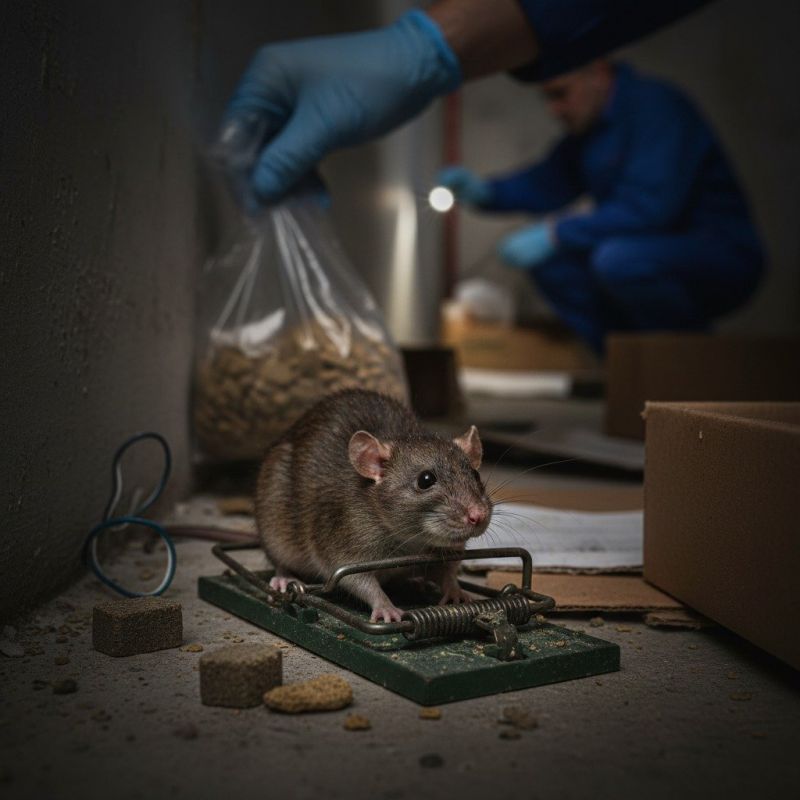
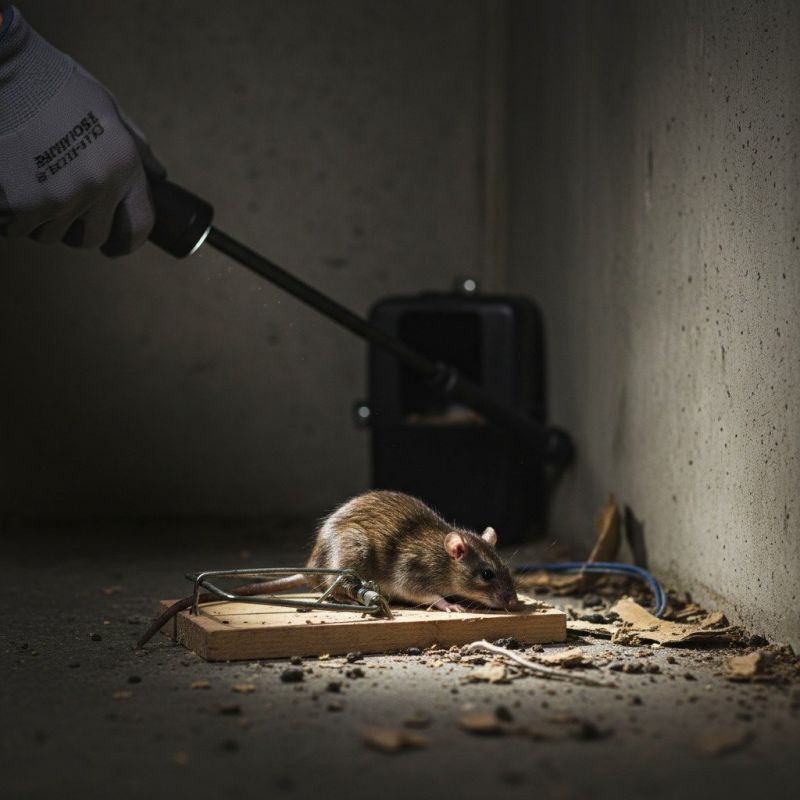
Understanding common entry points rodents use to access properties is a crucial step in preventing infestations. When searching for this topic, many homeowners are looking for practical information about how rodents, such as mice and rats, find their way inside homes and buildings. They often want to identify vulnerable areas around their property that may serve as pathways for these pests. Recognizing these entry points helps in planning effective exclusion measures, which are a key part of integrated rodent control strategies. Local contractors specializing in rodent pest control can assess these access points and recommend targeted sealing and exclusion work to keep rodents out.
Problems related to rodents entering a property typically involve property damage, contamination, and health risks. Once inside, rodents can gnaw on wiring, insulation, and structural elements, leading to costly repairs. They can also contaminate food supplies and surfaces, creating potential health hazards for residents. Homeowners concerned about these issues often seek advice on how rodents are getting in and what can be done to block their access. Many property improvement projects focus on sealing gaps, installing barriers, and reinforcing vulnerable areas, which local pest control pros are equipped to handle as part of their services.
The types of properties most commonly affected by rodent entry points include single-family homes, multi-unit apartment complexes, commercial buildings, and even outbuildings like sheds or garages. Homes with gaps around doors, windows, vents, and utility lines are especially susceptible. Older buildings with deteriorating foundations or inadequate insulation may also present more opportunities for rodents to enter. Commercial properties, particularly warehouses and restaurants, often face similar challenges due to their larger size and structural complexity. Local service providers frequently conduct property inspections to identify these entry points and recommend tailored solutions to prevent future rodent issues.
For homeowners and property managers, understanding where rodents typically gain access is an essential part of a comprehensive pest management plan. Identifying common entry points allows for targeted exclusion efforts that can significantly reduce the likelihood of an infestation. Local pros who specialize in rodent control can evaluate the specific vulnerabilities of a property and implement effective sealing measures. They work alongside property owners to develop long-term strategies that focus on blocking entry points, which is a vital step in maintaining a pest-free environment. Connecting with experienced service providers ensures that the problem is addressed thoroughly and efficiently.
Home Inspection Projects - inspecting properties for entry points used by rodents helps identify vulnerabilities that local contractors can address to prevent infestations.
Building Envelope Assessments - evaluating the exterior defenses of structures aligns with sealing common entry points rodents use to access properties.
Sealant and Barrier Installations - applying sealants and barriers to vulnerable areas is a common task for service providers aiming to block rodent entry points.
Structural Repair Projects - repairing gaps, holes, and damaged areas in building exteriors helps eliminate access points for rodents.
Gutter and Drainage System Projects - maintaining and modifying gutters and drainage can prevent rodents from using these as entry routes into properties.
Vent and Chimney Cover Installations - installing covers on vents and chimneys is a typical service that blocks rodents from using these openings to access buildings.
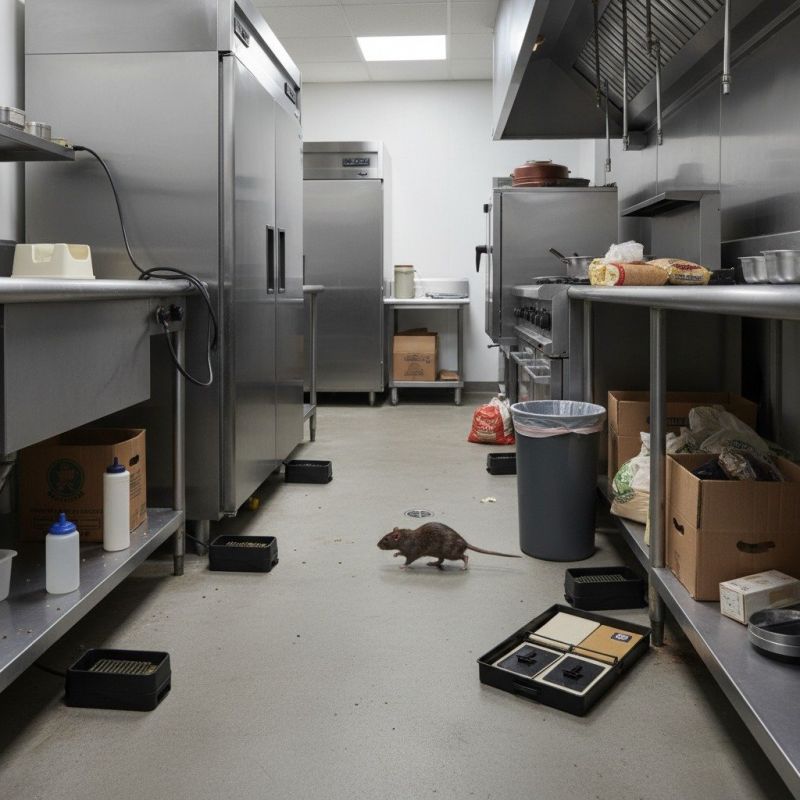
When comparing local contractors for rodent pest control, it is important to consider their experience with similar projects. Homeowners should inquire about the types of properties the service providers have worked on and whether they have handled issues related to common entry points rodents use to access properties. A contractor's familiarity with identifying and sealing these entry points can be a strong indicator of their ability to effectively address the problem. Reputable service providers often have a track record of successfully resolving rodent entry issues, and checking references or reviews can provide insight into their level of expertise and reliability.
Clear, written expectations are essential when choosing a pest control provider. Homeowners should seek detailed descriptions of the scope of work, including how the contractor plans to identify and eliminate entry points, as well as any follow-up procedures. This clarity helps ensure that both parties have aligned understanding of the services to be performed and can prevent misunderstandings or unmet expectations. A professional contractor will be transparent about their approach and provide documentation or agreements that outline what will be done to prevent rodents from re-entering the property.
Effective communication is a key factor when evaluating local service providers. Homeowners should look for contractors who are responsive and willing to answer questions about their methods, experience, and approach to sealing entry points. Good communication fosters trust and helps homeowners feel confident that the contractor understands the specific concerns related to rodents accessing their property. Additionally, service providers who clearly explain their process and provide ongoing updates can make the experience smoother and more transparent, ultimately leading to a more successful pest management outcome.
Property owners often search for common entry points rodents use to access properties when they are planning practical projects around their homes and businesses. Local pros provide Rodent Pest Control services for everyday jobs and straightforward project options.
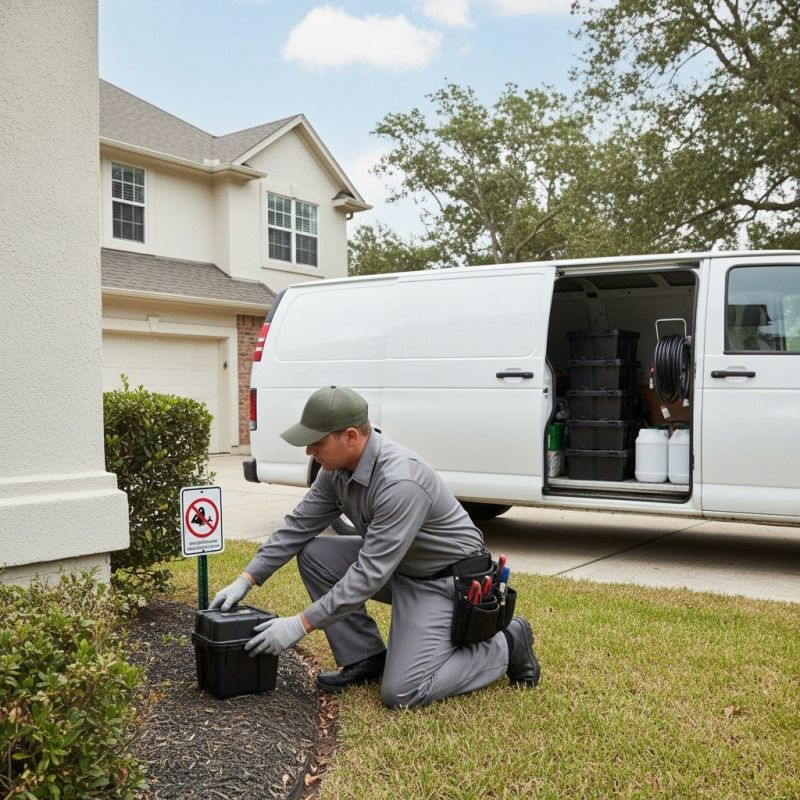
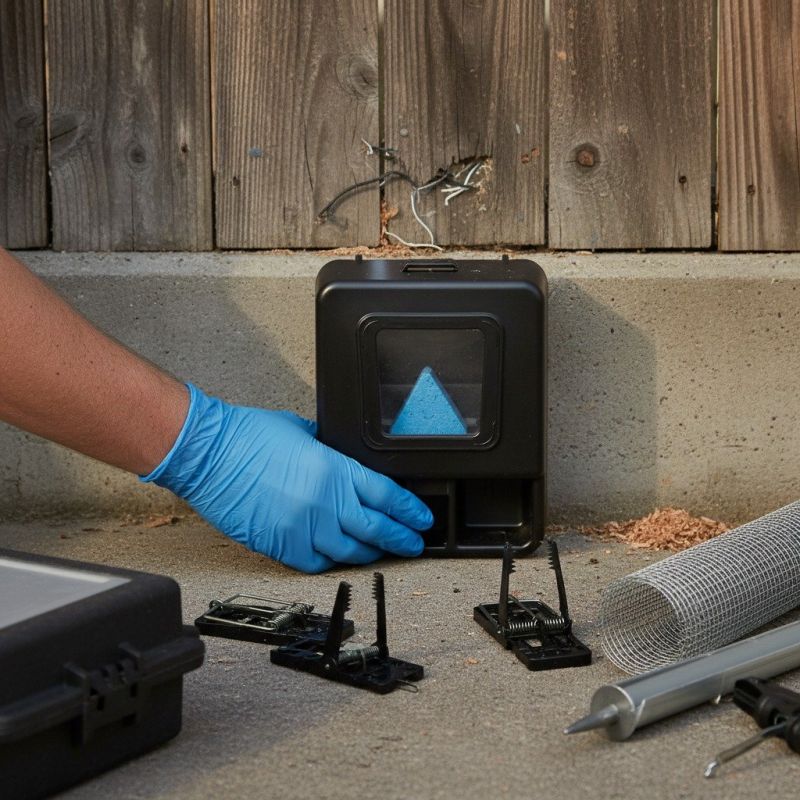
Understanding the common entry points rodents use to access properties can help homeowners identify vulnerabilities before an infestation occurs. Small gaps around door and window frames, holes in the foundation, and openings around utility lines are typical pathways rodents exploit to gain entry. These entry points are often overlooked during routine inspections but are crucial areas that local contractors can help address to prevent unwanted visitors from establishing nests indoors.
Property owners in the area frequently seek rodent pest control services when they notice signs of rodent activity, such as droppings or gnaw marks. Local service providers are equipped to identify these common entry points and recommend effective sealing or exclusion measures. Addressing these access points early can reduce the likelihood of ongoing problems and provide a more comprehensive approach to rodent management.
What are common entry points rodents use to access properties? Rodents often enter buildings through small openings around doors, windows, vents, and utility lines, as well as gaps in the foundation or walls.
How do rodents typically gain access to attics or basements? They can climb exterior walls, use overhanging branches, or exploit gaps around roof vents and foundation cracks to reach attics or basements.
Can rodents enter through existing holes or damaged areas? Yes, rodents are skilled at using existing holes, cracks, or damaged areas such as broken screens or deteriorated siding to gain entry.
What role do utility openings play in rodent entry points? Utility openings for plumbing, electrical wiring, and HVAC systems often serve as easy access points if not properly sealed or covered.
How can local contractors help prevent rodent entry points? They can inspect properties for potential entry points, seal gaps and holes, and recommend repairs to block rodents from accessing the property.
Inspect and Seal Entry Points - Property owners can identify small gaps and cracks around the foundation, doors, and windows and hire local contractors to seal these openings, reducing rodent access.
Install Barriers and Screens - Using hardware cloth or mesh screens over vents, chimneys, and utility openings helps prevent rodents from squeezing through common entry points.
Maintain Exterior Landscaping - Trimming trees and shrubs away from the building can eliminate pathways used by rodents to reach entry points, with local pros assisting in landscape adjustments.
Secure Utility Access Points - Ensuring that gaps around pipes, cables, and vents are properly sealed can block rodents from using these routes to enter the property, with help from experienced service providers.
If you are thinking about common entry points rodents use to access properties for a property, this guide is meant to help you understand this topic, the typical project types, and how different options might fit your plans.
When you are ready, you can use the quote form on this page to share a few details about your project. From there, local pros can review the basics and follow up with options that match what you have in mind.