How Moles Disrupt Root Systems and Landscape Drainage
Yard mole removal experts can help prevent moles from damaging root systems and disrupting landscape drainage by safely eliminating these pests.
Understanding how moles disrupt root systems and landscape drainage is essential for property owners looking to maintain a healthy, attractive outdoor space. Moles create underground tunnels that can weaken plant roots and cause uneven soil levels, which may lead to drainage problems and potential damage to lawns and gardens. Recognizing these signs early can help prevent more extensive issues and preserve the integrity of the landscape, especially in areas where healthy root systems are vital for plants and trees to thrive.
For property owners in the area, exploring solutions for mole activity and its impact on landscape health is a practical step toward protecting investment in outdoor spaces. Local contractors specializing in yard mole removal offer effective strategies to manage mole populations and minimize their disruption to root systems and drainage. Connecting with experienced service providers can help develop a tailored approach to keep underground tunnels in check, ensuring the landscape remains functional and visually appealing.
- Common Projects Services - Homeowners noticing uneven soil or damaged roots may need mole removal to protect their landscape's integrity, with local contractors employing targeted trapping or exclusion methods.
- Common Projects Services - When mole activity causes drainage issues or undermines planting beds, local service providers can implement effective removal techniques to restore proper landscape function.
- Common Projects Services - Moles disrupting root systems often lead to compromised plant health, prompting local pros to carefully eliminate burrowing pests and prevent future infestations.
- Common Projects Services - If mole tunnels are causing soil instability or impacting irrigation systems, local contractors can assess and remove moles to maintain landscape stability.
- Common Projects Services - Persistent mole activity that damages lawns or garden beds can be addressed by local pros using humane removal strategies to protect the landscape’s root structure.
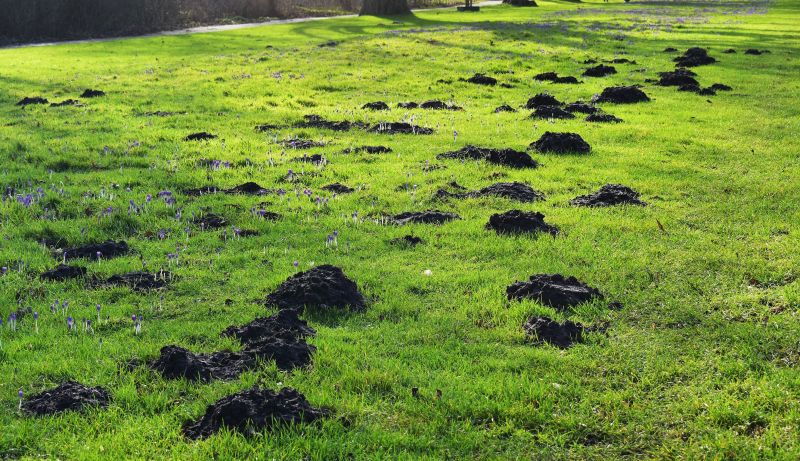

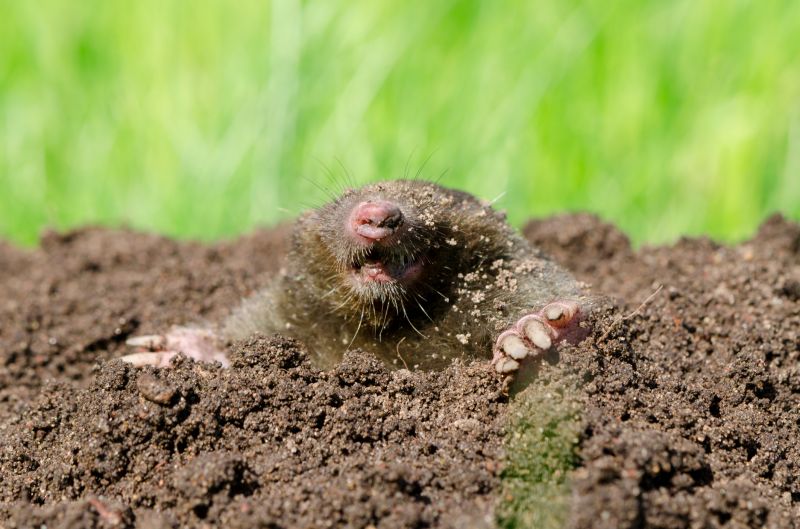
Understanding how moles disrupt root systems and landscape drainage is essential for homeowners dealing with uneven lawns, poor plant growth, or drainage issues. When moles burrow through the soil, they create extensive networks of tunnels that can disturb the roots of trees, shrubs, and other vegetation. This disturbance can weaken plants, making them more susceptible to disease or death. Additionally, the tunneling activity affects how water moves through the soil, often leading to water pooling or inadequate drainage in specific areas of a property. Homeowners searching for this topic are usually concerned about the health of their landscape and want to prevent or address damage caused by these underground pests.
The problems related to mole activity often tie into larger landscape and garden plans, especially those focused on maintaining healthy lawns, planting beds, or drainage systems. Moles can cause uneven ground surfaces, creating mounds or ridges that make mowing or walking difficult. Their tunnels can also compromise irrigation systems or underground utilities, leading to costly repairs. For those planning to plant new trees or establish a vegetable garden, understanding how moles disrupt root systems helps in designing effective protection measures. Homeowners with existing drainage problems may find that mole activity exacerbates water retention issues, prompting them to seek solutions that restore proper soil function and water flow.
Properties most commonly affected by mole activity include residential yards with lush lawns, gardens, and mature trees, as well as properties with poorly draining soil or existing drainage infrastructure. Moles tend to thrive in areas with soft, moist soil that is rich in insects, their primary food source. Lawns that are regularly irrigated or fertilized can attract moles, leading to more noticeable tunneling and surface disruptions. Additionally, properties with extensive landscaping, flower beds, or vegetable gardens are more vulnerable to damage from mole activity, especially if the underground tunnels interfere with plant roots or water movement. Recognizing these property types helps homeowners identify when mole activity might be impacting their landscape health and drainage.
Local service providers specializing in yard mole removal play a key role in addressing the issues caused by moles disrupting root systems and landscape drainage. These professionals can assess the extent of mole activity and implement targeted removal or control methods to reduce tunneling. By eliminating moles from the area, they help protect plant roots, stabilize soil surfaces, and improve water flow through the soil profile. Engaging experienced contractors ensures that the underlying causes of damage are managed effectively, which can prevent further disruption and support the long-term health of the landscape. Homeowners are encouraged to explore local pros who can provide tailored solutions to restore their yard’s functionality and appearance.
Landscape Drainage Projects - local contractors often handle drainage system installations and repairs that prevent water buildup caused by mole activity disrupting soil stability.
Tree Root Management - professionals can identify and remove invasive roots that may be damaged or disturbed by mole tunnels, helping maintain healthy root systems.
Soil Aeration Services - experts use tools to improve soil structure, which can be compromised by mole burrowing, promoting better root growth and water flow.
Gopher and Pest Control - specialists address other burrowing pests that can exacerbate damage to roots and landscape drainage systems similar to moles.
Garden and Lawn Restoration - service providers can repair turf and soil after mole activity, restoring the landscape's health and drainage capabilities.
Underground Utility Locating - professionals locate underground pipes and wiring that may be affected by mole tunnels, helping prevent damage during excavation or repair work.

When comparing service providers for yard mole removal, it’s important to evaluate their experience with similar projects. Homeowners should seek out local contractors who have a proven track record in managing issues related to how moles disrupt root systems and landscape drainage. Experienced professionals will understand the unique characteristics of different yard types and soil conditions, allowing them to implement effective removal strategies that minimize future damage. Asking about past projects or requesting references can help gauge a contractor’s familiarity with these specific challenges, ensuring that they have the practical knowledge needed to handle the job properly.
Clear written expectations are essential when choosing a service provider. Homeowners should look for contractors who provide detailed descriptions of their approach, including the methods they use to identify and remove moles and how they address underlying issues affecting root systems and drainage. A comprehensive scope of work helps prevent misunderstandings and ensures that both parties are aligned on the project’s goals. It’s also beneficial to review any written estimates or plans to confirm that the scope covers all aspects of mole activity and landscape health, contributing to a smoother process and better results.
Reputable references and effective communication are key indicators of a dependable local contractor. Homeowners should seek out service providers who are transparent about their experience and willing to share references from previous clients. Good communication during the inquiry process can reveal how well a contractor listens to concerns and explains options, which is vital when addressing complex issues like how moles disrupt root systems and landscape drainage. Choosing a contractor who maintains open, clear dialogue can lead to a more informed and confident decision, ultimately supporting the successful removal of moles and the preservation of a healthy yard environment.
Property owners often search for how moles disrupt root systems and landscape drainage when they are planning practical projects around their homes and businesses. Local pros provide Yard Mole Removal services for everyday jobs and straightforward project options.

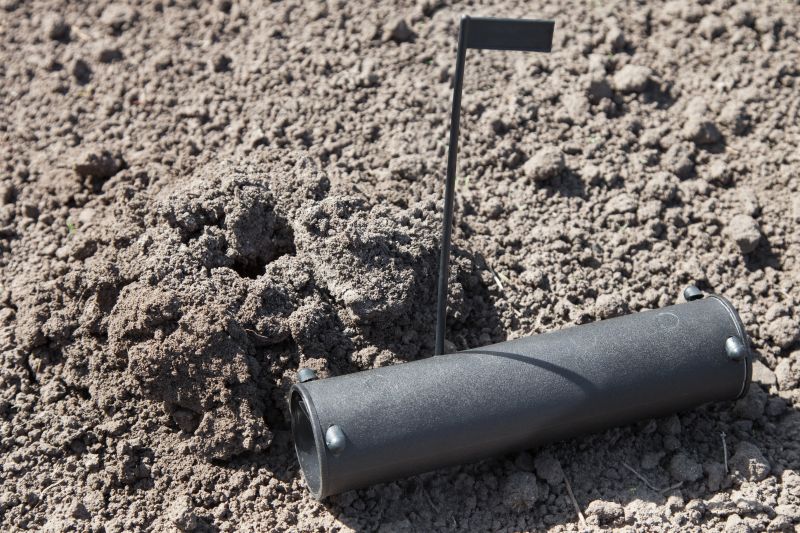
Moles can cause significant disruptions to a property's landscape by burrowing through soil and creating extensive tunnel systems beneath the surface. These tunnels can weaken root systems of trees and shrubs, making plants more vulnerable to stress and disease. Additionally, the presence of mole activity can lead to uneven ground and unsightly mounds, which may interfere with lawn maintenance and aesthetic appeal. Property owners noticing unusual mounds or soft, spongy patches in their yard might consider reaching out to local contractors experienced in yard mole removal to address these issues effectively.
Beyond the visual disturbances, mole activity can impact landscape drainage by blocking or altering underground water flow. The tunnels can create pathways that redirect water away from desired areas or cause pooling and poor drainage in certain spots. This can lead to soggy patches or erosion over time, affecting the health of plants and the stability of the landscape. Property owners concerned about these drainage problems or the health of their root systems often find it helpful to connect with local service providers who specialize in mole removal and soil management, ensuring the landscape remains functional and visually appealing.
How do moles disrupt root systems and landscape drainage? Moles create extensive tunnel systems that can disturb the root structures of plants and trees, potentially weakening their stability. Their burrowing also damages the soil's natural drainage pathways, leading to poor water flow and pooling issues in the yard.
What signs indicate moles might be affecting my landscape drainage? Signs include raised ridges or mounds on the lawn, uneven soil surfaces, and areas where water tends to collect or drain slowly. These symptoms can suggest mole activity impacting soil and root health.
How can local contractors help with mole-related root and drainage problems? Local service providers can assess the extent of mole activity and implement removal methods to reduce their tunneling. They may also advise on soil restoration practices to help restore proper root function and drainage.
Are mole tunnels harmful to the roots of trees and shrubs? Yes, extensive tunneling can physically damage roots, making plants more vulnerable to stress and disease. Proper removal and soil management by experienced contractors can help protect plant health.
What methods do pros use to prevent moles from disrupting landscape drainage? Professionals often use trapping, baiting, and soil treatment techniques to control mole populations. They may also recommend landscape modifications to deter future activity and maintain healthy root systems and drainage.
Identifying damage to roots and drainage systems - property owners can observe signs like uneven ground or excessive mole activity to determine where moles may be disrupting underground structures with help from local contractors.
Assessing landscape health - understanding how moles disturb root systems can guide property owners in planning targeted removal efforts to protect plant health and prevent drainage issues by consulting local pros.
Implementing mole control strategies - property owners might consider practical projects such as installing barriers or baiting systems with assistance from local mole removal specialists to reduce ongoing damage.
Restoring disturbed areas - after mole activity is addressed, property owners can work with local contractors to repair and reinforce landscape drainage and root zones for long-term stability.
If you are thinking about how moles disrupt root systems and landscape drainage for a property, this guide is meant to help you understand this topic, the typical project types, and how different options might fit your plans.
When you are ready, you can use the quote form on this page to share a few details about your project. From there, local pros can review the basics and follow up with options that match what you have in mind.